Pack Smart for Your Japan Adventure

Japan Student Packing Guide - Complete Checklist & Pro Tips

Pack Smart for Your Japan Adventure

Complete packing checklist and pro tips for first-time international students coming to Japan. Avoid unnecessary expenses and problems after arrival.

Japan packing essentials

Why This Guide Matters

Coming to Japan for the first time as a student can be overwhelming. The confusion about what to bring—whether to pack extra items or not—often leads to unnecessary expenses and problems after arrival. This comprehensive guide is specially written for students like you to help pack smartly, avoid common mistakes, and make your transition to Japan smooth and stress-free.

Whether you're bringing too much or too little, this guide provides practical advice based on real student experiences. We'll cover everything from essential documents to electronics, clothing, and what you can easily buy in Japan.

Important Documents to Bring to Japan

🔥 Most important section - Don't forget these!
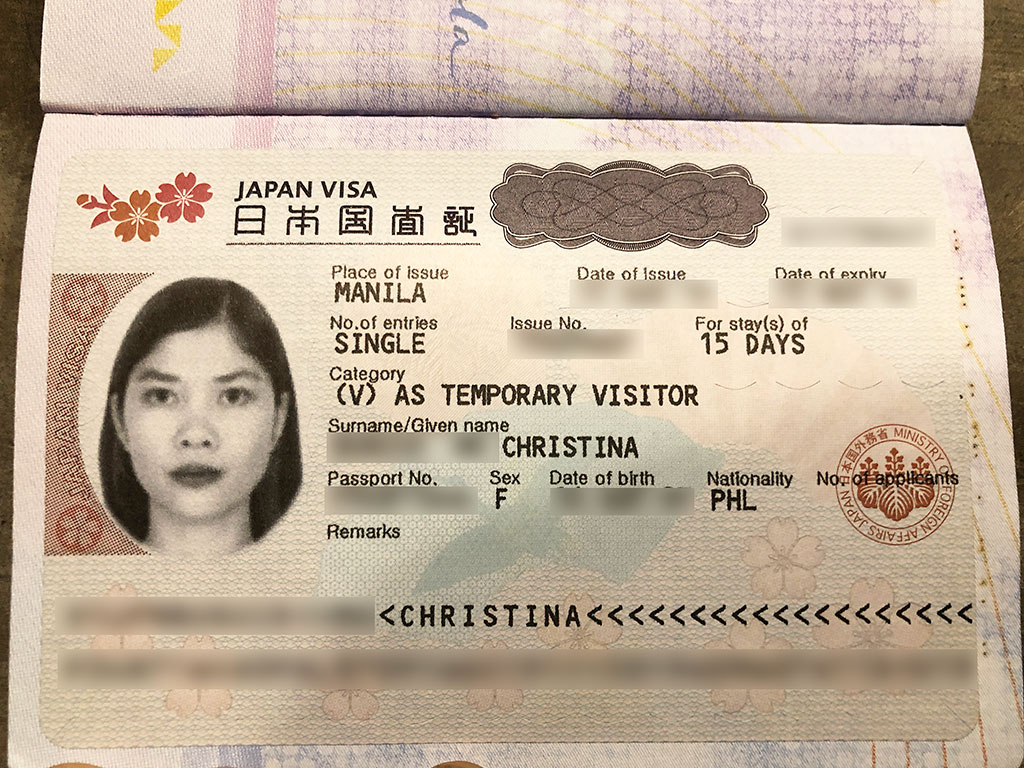
Japanese visa and documents

Essential Documents

  • Passport (original)
  • Visa (original)
  • COE copy (Certificate of Eligibility)
  • Admission letter from school
  • Academic certificates/transcripts
  • Passport-size photos (4-6 copies)
  • School address (printed)
  • Accommodation address (printed)

💡 Pro Tip

Bring 100,000-200,000 JPY in cash for immediate expenses. This covers airport transport, first meals, SIM card, and emergencies. Always keep both soft copies (digital) and hard copies (printed) of important documents. Store soft copies in cloud storage and email them to yourself. This ensures you have access even if physical documents are lost.

Money & Financial Items

What to Bring

  • 100,000-200,000 JPY in cash
  • International debit/ATM card
  • Forex card (optional)
  • Bank documents copies

⚠️ Important Warning

Don't bring more than 1 million JPY without declaration. Too much cash is risky, unnecessary, and can attract unwanted attention at customs.
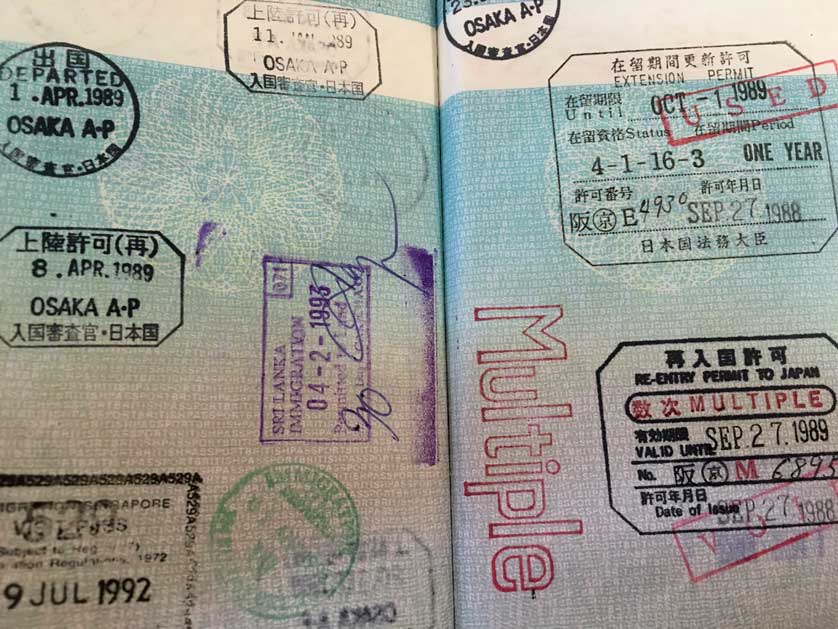
Japan visa requirements

Electronics to Bring

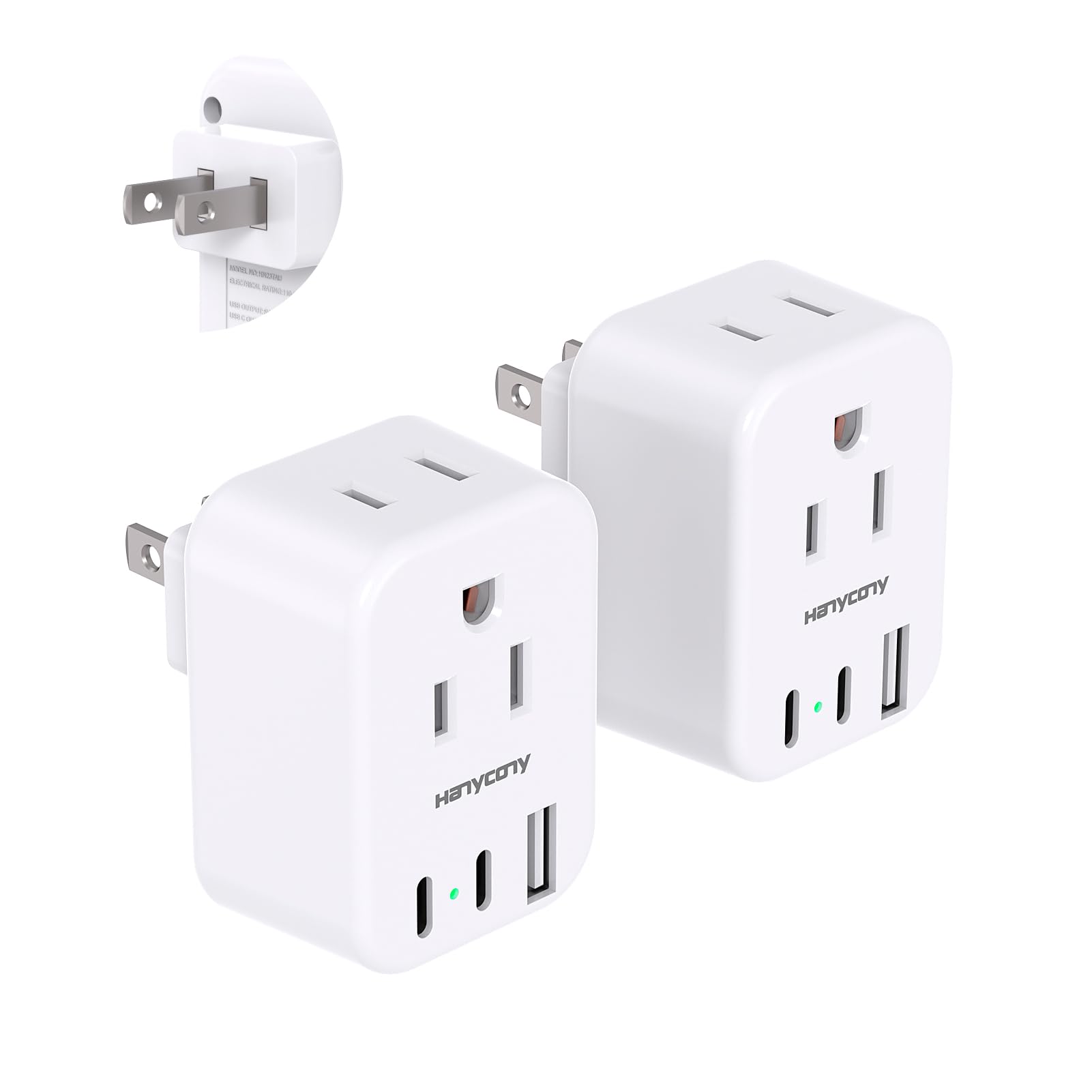
Japan power adapters

Must-Have Electronics

  • Mobile phone (unlocked)
  • Laptop (if needed for studies)
  • Power bank
  • Plug adapter (Type A - Japan standard)
  • Phone charger
  • Laptop charger

⚡ Voltage Alert

Japan uses 100V AC, 50/60Hz. Most modern devices (laptops, phones) are dual voltage, but always check your device specifications.

❌ What NOT to bring: Cheap heaters, rice cookers, or other high-wattage appliances.

Clothes & Personal Items

Packing Tips
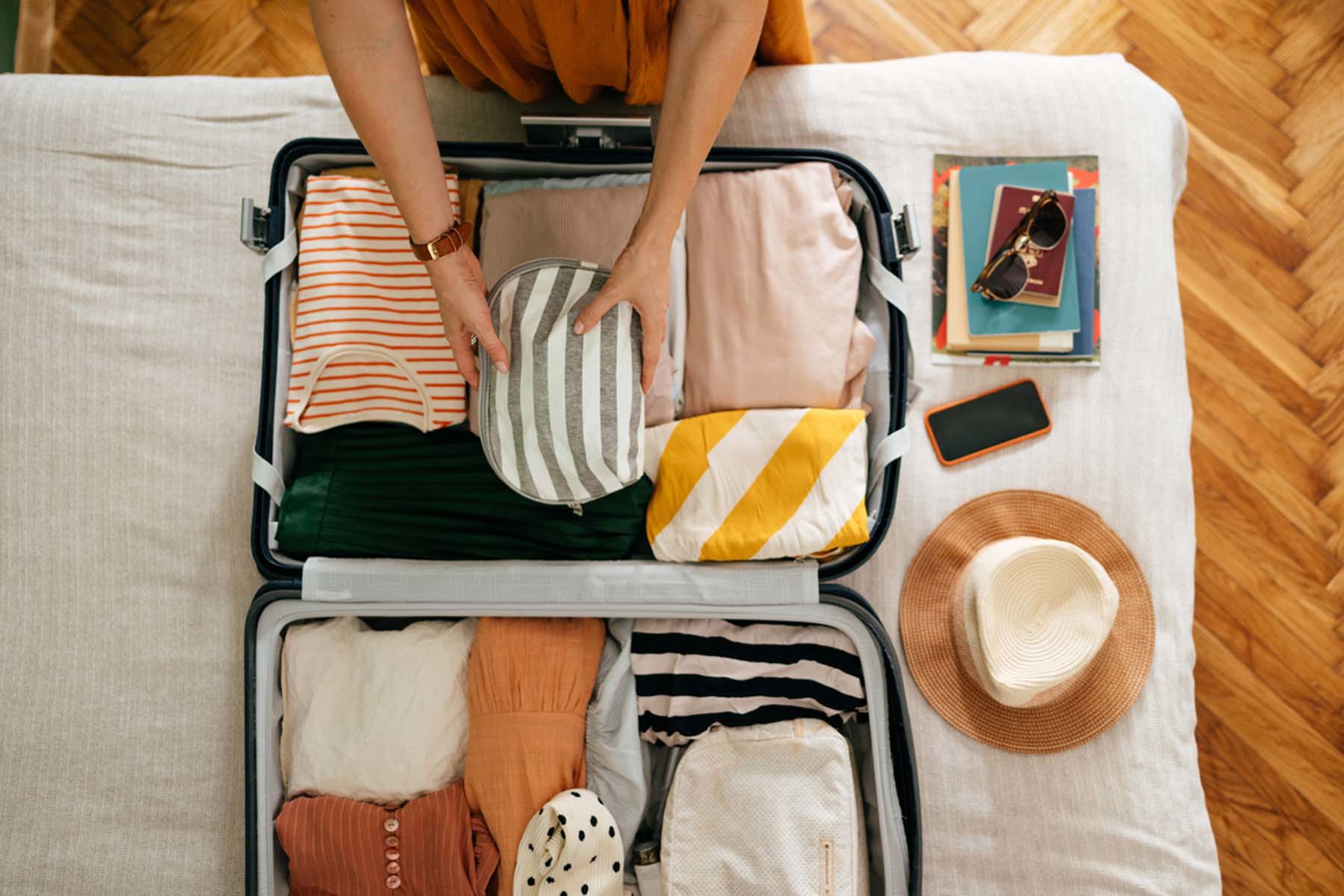
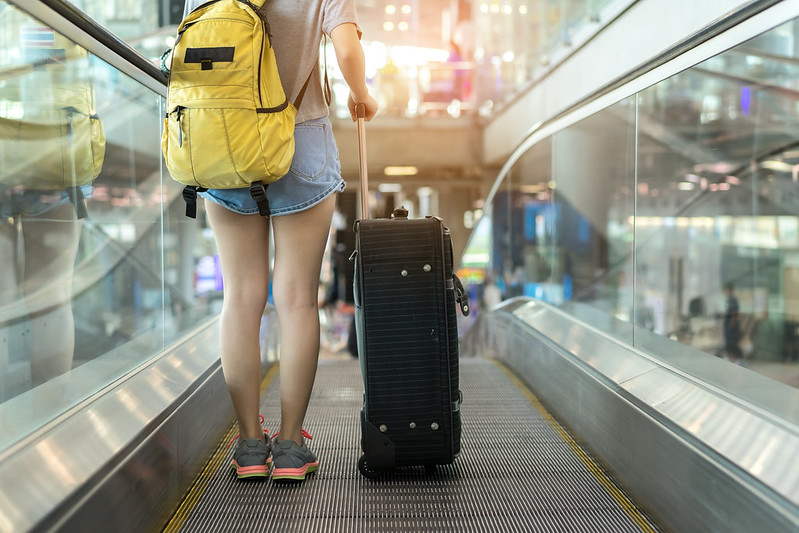
1. Seasonal clothing: Pack according to your arrival season. Japan has distinct seasons.
2. Winter clothes: If arriving in winter, bring one warm jacket. Additional items are affordable in Japan.
3. Shoe sizes: Japanese shoe sizes are different. Bring comfortable shoes you already own.
4. Formal wear: Bring one formal outfit for school events and interviews.
Japan packing list

Food Items: What Is Allowed and What Is Not

🔥 AdSense loves clarity - Know the customs rules!

✅ Allowed Items

  • Dry food items (sealed)
  • Instant noodles
  • Tea and coffee
  • Spices and condiments
  • Dried fruits and nuts
  • Biscuits and snacks
  • Chocolate and candy

❌ Restricted Items

  • Fresh meat and poultry
  • Dairy products
  • Fresh vegetables
  • Fresh fruits
  • Eggs
  • Honey
  • Certain plant products

Rule: Only sealed, dry food items are allowed. Fresh items are strictly prohibited due to customs regulations. Always check Japan's customs website for the latest restrictions.

Medicines & Health-Related Items

⚠️ Important: Japan Has Strict Medicine Rules

  • Always carry prescription copies for personal medicines
  • Avoid bringing medicines not prescribed to you
  • Check Japan's customs website for prohibited items
  • Some common OTC medicines are banned in Japan

Safe to Bring

  • Personal prescribed medicines
  • Basic first aid supplies
  • Vitamins (in reasonable quantities)
  • Pain relievers (check compatibility)
Japan student travel essentials

Items You Should NOT Bring to Japan

Shows maturity & trust - Pack smart, not heavy!

Unnecessary kitchen utensils (available in Japan)
Heavy blankets and bedding (easily available)
Extra books (heavy and available in Japan)
Large quantities of food
Cheap electrical appliances
Rice cookers (available in Japan)
Heavy winter coats (if arriving in summer)
Restricted medicines

Why? These items are either easily available in Japan at affordable prices, or they're unnecessary and add unnecessary weight to your luggage. Japan is a convenient country with excellent shopping options.

Things You Can Easily Buy in Japan

This reduces overpacking anxiety!

Bedding and pillows (100 Yen shops, MUJI)

Kitchen utensils (Daiso, MUJI)

Clothes and shoes (many brands available)

SIM cards and phone accessories

Toiletries and personal care items

School supplies and stationery

Winter clothes and accessories

Electronics and gadgets

Airport Arrival Tips for First-Time Students

🔥 High-value add-on section
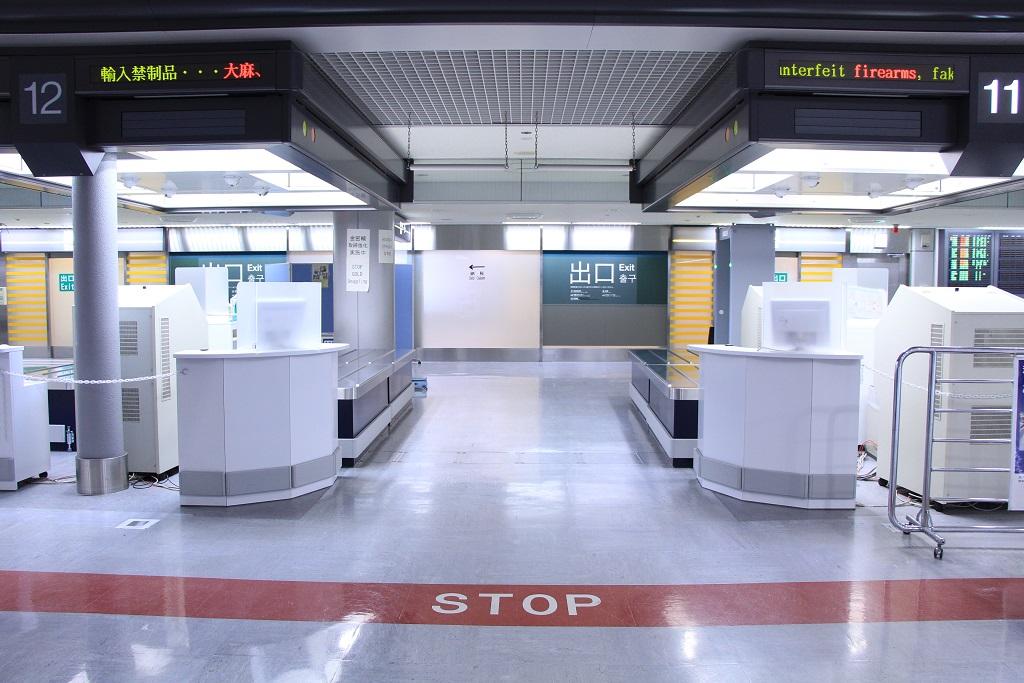
Japan airport arrival

Immigration

Have your passport and landing card ready. Answer questions honestly.

Residence Card

Get your residence card (zairyu card) at immigration. Keep it always with you.

Luggage Delivery

Consider using luggage delivery services (takkyubin) to your accommodation.

Transport to Dorm

Use airport buses, trains, or pre-arranged transportation. Get a SIM card or WiFi device first.

Money Exchange

Exchange some money at the airport or use ATMs. ATMs are everywhere in Japan.

Contact School

Inform your school of your arrival time. They may have pickup services.

Common Mistakes First-Time Students Make

Overpacking unnecessary items (books, utensils, heavy blankets)
Ignoring voltage differences for electronics
Carrying restricted food items
Not having document copies (soft and hard)
Bringing too much cash
Not checking medicine restrictions
Forgetting to unlock mobile phone
Packing winter clothes when not needed

📋 Interactive Packing Checklist

Documents

Money & Finance

Electronics

Clothes & Personal

Health & Medicine

Frequently Asked Questions

You can bring up to 1 million JPY without declaration. However, it's recommended to bring 100,000-200,000 JPY in cash for immediate expenses upon arrival. This amount covers airport transportation, first meals, emergency needs, and initial shopping. For larger amounts, use international ATM cards or wire transfers. Too much cash is risky, inconvenient to carry, and unnecessary given Japan's excellent ATM infrastructure.
This amount is practical because: (1) Airport transportation costs 3,000-4,000 JPY, (2) First week meals and necessities: 5,000-10,000 JPY, (3) SIM card and phone setup: 3,000-5,000 JPY, (4) Emergency purchases: 5,000-10,000 JPY, (5) Buffer for unexpected expenses. This gives you peace of mind without the burden of carrying excessive cash.
Only dry, sealed food items are allowed. Fresh meat, dairy, and vegetables are restricted. Popular items like instant noodles, tea, spices, and dried snacks are generally fine if sealed. Check Japan's customs website for specific items from your country.
Not necessarily. Japan has affordable clothing stores. However, bringing one warm jacket is practical. Winter clothes are easily available and affordable in Japan. You can shop at stores like Uniqlo, GU, and local shops after arrival.
Japan uses 100V AC, 50/60Hz. Most modern devices (laptops, phones) are dual voltage. Always check your device specifications. A Type A plug adapter is essential and inexpensive.
No. Japan has strict medicine regulations. Always carry prescription copies for personal medicines. Avoid bringing medicines not prescribed to you. Check Japan's customs website for prohibited items. Some common OTC medicines are banned.
A SIM card is more practical and affordable. You can buy one at the airport or convenience stores. Rental devices are bulky and expensive. A SIM card costs 3,000-5,000 JPY and provides unlimited data plans.
Have your passport, landing card, and admission letter ready. Answer questions honestly about your purpose of stay. You'll receive a landing stamp and temporary residence card. The process usually takes 15-30 minutes. Keep your landing card safe as you'll need it to apply for your residence card.
You must apply within 14 days of arrival at your local immigration office or ward office. Bring your passport, landing card, admission letter, and accommodation address. The card is free and takes about 2-3 weeks. Keep it always with you as it's your proof of legal residence.
Yes, most international credit cards work in Japan. However, not all small shops accept cards. ATMs at 7-Eleven, Post Office, and banks accept foreign cards. Always have some cash backup. Credit cards are useful for larger purchases and online shopping.
You have several options: (1) Airport bus/train (cheapest, 3,000-4,000 JPY), (2) Luggage delivery service (takkyubin) - costs 2,000-3,000 JPY per bag, delivers next day, (3) Taxi (expensive, 10,000-20,000 JPY), (4) School pickup service (ask your school). Luggage delivery is convenient if you don't want to carry heavy bags.
Yes, strongly recommended. Travel insurance covers medical emergencies, lost luggage, and flight cancellations. Many schools require it. Cost is usually 5,000-15,000 JPY for a year. Japan's healthcare is excellent but expensive for foreigners without insurance.
Keep both digital and physical copies of: passport, visa, COE, admission letter, academic certificates, vaccination records, and prescription copies. Store digital copies in cloud storage (Google Drive, Dropbox) and email them to yourself. This ensures access if originals are lost.
Yes, but with restrictions. Student visa holders can work maximum 20 hours per week during school terms and full-time during holidays. You need permission from immigration. Popular part-time jobs include convenience store clerk, restaurant staff, and tutoring. Minimum wage varies by prefecture (900-1,100 JPY/hour).
Opening a bank account is recommended. You'll need: passport, residence card, and proof of address. Major banks include Mitsubishi UFJ, MUFG, and Sumitomo. Bank transfers are free. ATM withdrawals from your home bank usually cost 100-200 JPY per transaction.
Yes, Japan is very safe. Theft is rare. However, don't carry all your cash in one place. Use a money belt or split cash between wallet and bag. Avoid displaying large amounts. Keep receipts and track spending. Always have your passport copy, not the original.

Ready for Your Japan Adventure?

Pack smart, bring only what you need, and remember that Japan is a convenient country where you can buy almost anything. Trust this guide, follow the checklist, and you'll have a smooth and stress-free start to your student life in Japan.

Good luck with your studies! 🎓 Japan is waiting for you!

Guide. All rights reserved. | Made for international students
See Also :